Workplace wellbeing goes beyond office perks or surface-level benefits. It reflects how people feel when they start their day, how supported they feel in their role, and how comfortable they are working with others.
When employees feel valued, their focus improves, communication becomes clearer, and teamwork develops more naturally. They also approach their work with more energy and clarity.
To effectively promote wellbeing within your organisation, it’s useful to first understand what it looks like in everyday work and how to embed it consistently.
What Workplace Wellbeing Really Means for Organisations
How people experience their day-to-day work defines workplace wellbeing. It is shaped by how teams interact, how challenges are approached, and the level of guidance and clarity employees experience in their roles.
Beyond Surface-Level Wellbeing Initiatives
Wellbeing is often linked to visible initiatives such as social events or office benefits. While these can foster morale, they do not fully reflect how a team works together.
A healthier workplace is defined by its atmosphere. In some teams, people communicate openly, support one another, and approach challenges together. In others, pressure builds quickly, and communication becomes strained. For organisations in Cyprus, this means focusing on the behaviours that shape everyday work and backing them with practical workplace wellbeing strategies.
How people communicate, share feedback, and respond under pressure all contribute to the overall team environment. Over time, these patterns influence both how individuals experience work and how well teams perform together.
The Connection Between Wellbeing and Team Performance
With the right foundations in place, employees tend to focus more clearly, collaborate more effectively, and contribute with greater confidence.
Focus, Energy, and Engagement at Work
Feeling safe at work reduces distractions linked to stress or uncertainty, helping employees stay present in their tasks. As a result, teams begin to gradually experience several key changes:
- Improved Focus: Employees concentrate more and stay engaged in their tasks.
- Stronger Problem-Solving: Teams share ideas without fear of judgement and work through challenges together.
- Clearer Communication: Conversations become more direct, reducing misunderstandings.
- Higher Engagement: Employees participate actively and take greater responsibility for their work.
Why Emotional Wellbeing Matters in Teams
Emotional wellbeing influences how people engage with one another, how trust develops, and how individuals work alongside one another during demanding periods, often shaping how teams collaborate.
Psychological Safety and Trust
Psychological safety describes the feeling that it is acceptable to ask questions, share ideas, or admit mistakes without fear of being judged by one’s peers.
In teams where this is present, communication becomes more constructive. People are more willing to speak up, clarify uncertainties, and contribute to discussions, even when ideas are still developing. This helps teams avoid misunderstandings and address issues earlier.
This sense of trust also strengthens relationships within the team. During busy or challenging periods, teams that trust one another tend to stay connected.
Supporting Resilience at Work
Resilience refers to the ability to continue working effectively when challenges arise. In supportive workplaces, teams are better equipped to respond to setbacks with a clear and balanced mindset.
Instead of becoming overwhelmed, employees take time to reflect on what happened, adjust their approach, and move forward with greater awareness. This encourages a more constructive response to pressure and helps teams maintain progress during uncertain periods.
Resilient teams also tend to recover more quickly from disruptions. They remain focused, communicate openly, and help one another through change.
How Wellbeing Workshops Support Healthier Teams

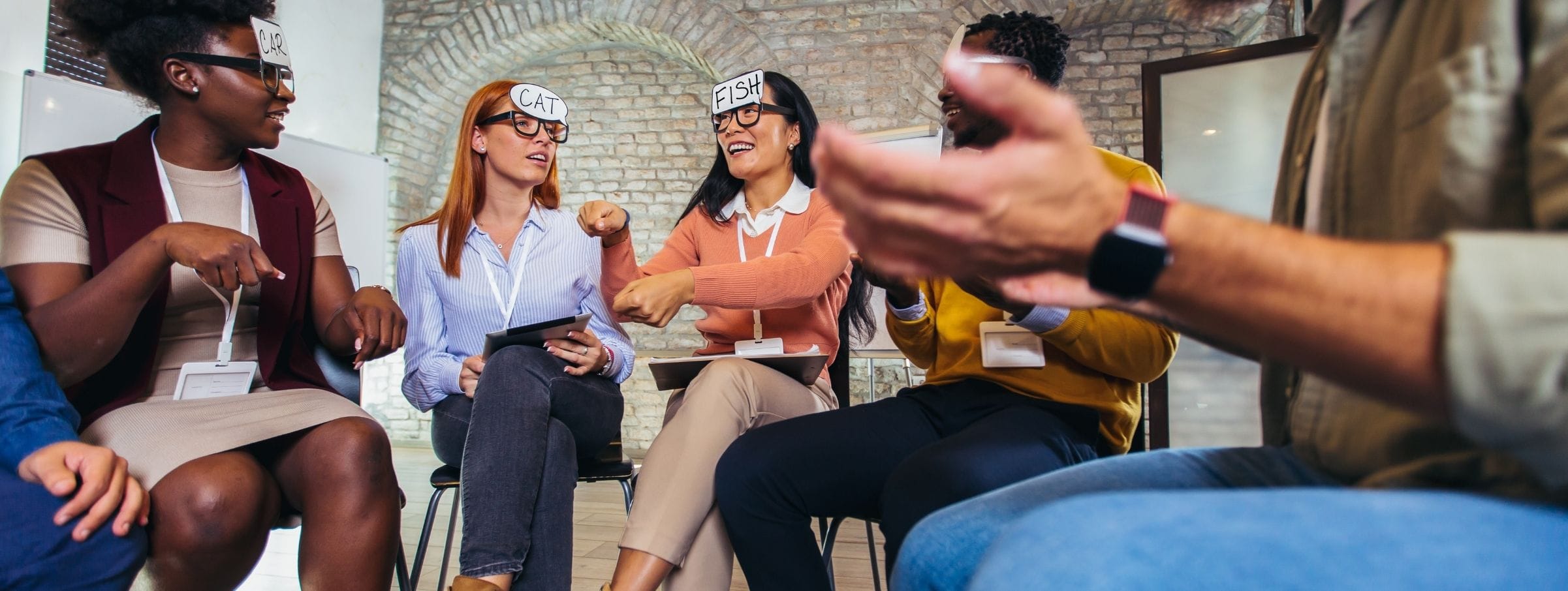
Promoting team wellbeing often begins with creating space for reflection and dialogue. Wellbeing workshops help facilitate this by giving teams space to step back from their daily routines and explore how they communicate and collaborate.
Practical Tools Teams Can Apply
Employee wellbeing training often includes interactive activities that encourage participation and constructive discussion. Through creative exercises and guided reflection, participants explore how communication, behaviour, and team dynamics influence their work.
At The State of Play, our workshops are designed to support this process through play-based approaches that suit various team environments. These activities help create a safe and supportive setting, making it easier for people to engage, communicate openly, and reflect on their team experiences.
As the session progresses, teams begin to recognise patterns in their interactions. This creates an opportunity to discuss what is working well, where challenges may exist, and how new approaches can be introduced.
Using Wellbeing Frameworks in the Workplace
Wellbeing frameworks help organisations take a more structured and consistent approach to shaping a healthier team environment.
Applying the PERMA Wellbeing Model
The PERMA wellbeing model is widely used to examine the factors that contribute to a positive, balanced work experience. It focuses on five key areas:
- Positive emotion: Feeling comfortable, valued, and at ease at work.
- Engagement: Being interested and involved in daily tasks.
- Relationships: Building strong and positive connections with colleagues.
- Meaning: Understanding how work contributes to a wider purpose.
- Achievement: Feeling a sense of progress and accomplishment.
By integrating workshops that use frameworks such as PERMA, including The State of Play’s Flourishing with PERMA, Cyprus-based organisations can move beyond assumptions and adopt a more considered approach to workplace wellbeing. This helps create clearer direction for improving employee experience and encouraging consistent development across the organisation.
Creating Sustainable Wellbeing Practices at Work
Workplace wellbeing develops through consistent, everyday actions. Simple practices can help reinforce this in a practical way:
- Taking time for brief, informal conversations that are not focused on tasks.
- Encouraging employees to step away from their desks during breaks.
- Creating space for regular team check-ins.
- Recognising contributions and progress in a consistent and meaningful way.
Organisations that want to further strengthen these practices can explore approaches with The State of Play, including workshops designed to foster workplace wellbeing in an engaging way.
To learn more or arrange a workshop session, you can get in touch via our website form, email info@thestateofplay.com.cy, or call +357 99014733.
Frequently Asked Questions About Workplace Wellbeing
Is wellbeing training just for big companies?
No. Workplace wellbeing is relevant for organisations of all sizes. In smaller teams, where people work closely together, everyday interactions have a direct impact on how work feels and functions, making wellbeing practices especially important.
How do we know if our team’s wellbeing is improving?
Improvements often show in how teams interact. Clearer communication, more consistent participation, and a stronger sense of connection within the team are all signs that wellbeing is developing in a positive direction.
What if some employees think play-based workshops are silly?
It is common for some participants to feel unsure at first. However, once activities begin, most people recognise the value of shared experiences and open discussion. The focus remains on practical outcomes rather than entertainment.
Does the PERMA model actually work for businesses?
Yes. The PERMA wellbeing model provides a structured framework for understanding employee experience. It helps organisations identify areas of strength, recognise where improvement is needed, and take a more consistent approach to wellbeing.
How often should we do a wellbeing workshop?
This depends on the team’s needs and the outcomes you are working towards. Some organisations run workshops at key moments during the year, while others include follow-up sessions to reinforce learning and support ongoing development. If you are unsure where to begin, The State of Play can help you explore an approach and schedule that fits your team and its goals.