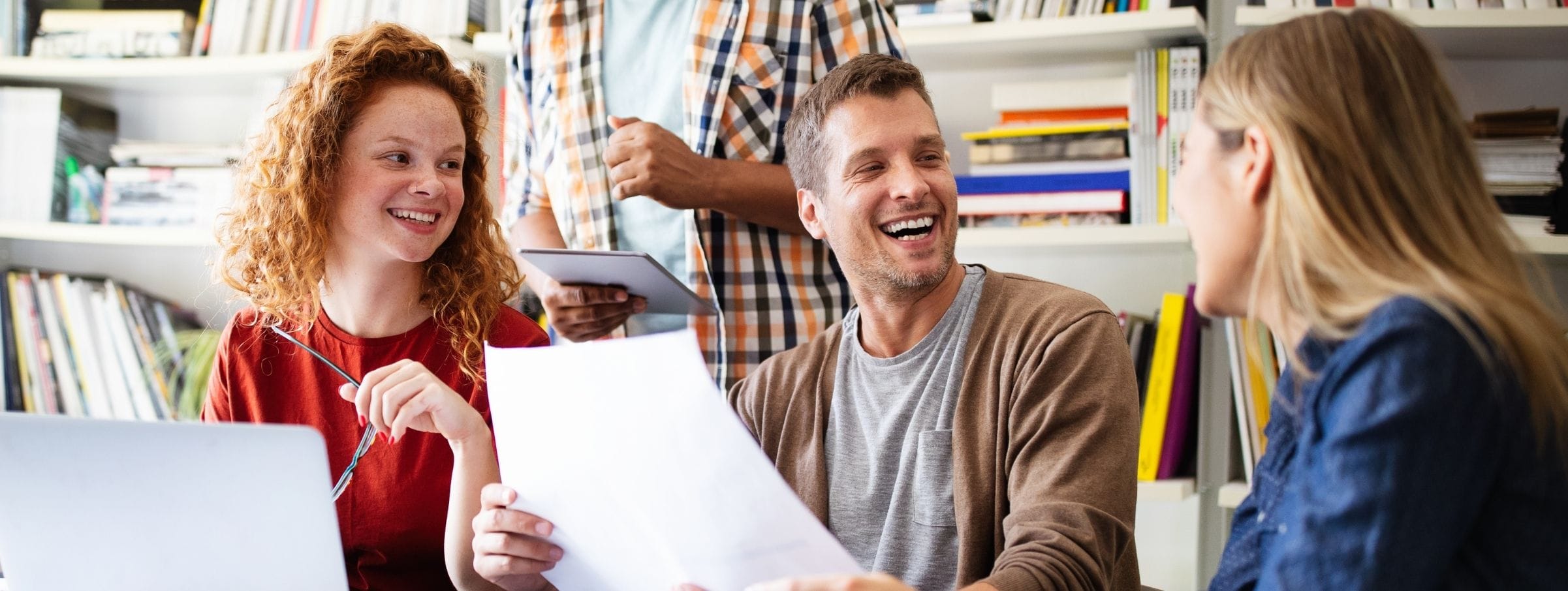
Modern workplaces often span locations, time zones, and digital platforms. While this flexibility supports productivity, it can also weaken communication and connection between colleagues.
Unfortunately, collaboration does not develop automatically. It grows through shared understanding, trust, and clear communication. Purposeful team building helps reinforce this environment, encouraging a workplace culture where open dialogue, curiosity, and cooperation shape everyday collaboration.
What Does Effective Team Building Mean in Modern Organisations
Today’s teams operate in complex environments where shared experiences and workplace practices directly influence performance. In this context, team building works best when it is intentionally designed to support how teams function day-to-day.
Moving Beyond Social Activities
Many organisations associate team building with informal gatherings such as dinners or drinks. While these moments can help colleagues connect, they rarely address how teams actually collaborate at work.
Effective team building focuses on behaviours that shape everyday teamwork. Workshops often explore communication, problem-solving, and decision-making through structured activities. By experiencing these dynamics together, teams begin to see how their actions influence group outcomes.
Aligning Team Building With Business Goals
Team building delivers stronger results when it aligns with organisational priorities. For example, organisations focused on innovation may introduce collaborative activities that encourage experimentation and creative thinking. Others may prioritise sessions that strengthen communication, coordination, and accountability across teams.
That said, workshops that align with company values and performance goals feel relevant and purposeful to participants. This helps learning transfer naturally from the workshop environment into the workplace.
How Collaboration Impacts Team Performance
Strong collaboration shapes how teams communicate, solve problems, and make decisions together. Teams that work in environments where ideas can be shared openly often collaborate with greater confidence and clarity.
Communication and Shared Understanding
Without shared communication, teams can easily fall into silo thinking. In this situation, departments may work independently, information becomes fragmented, and misunderstandings grow.
Meanwhile, collaborative teams approach work differently. They regularly share knowledge, align on goals, and support one another’s contributions, helping improve coordination and streamlining workflows.
Trust and Psychological Safety
Trust plays an essential role in effective collaboration. Teams that feel psychologically safe are more willing to share ideas, raise concerns, and explore new approaches.
In these environments, employees can speak openly without fear of embarrassment or judgement. This encourages honest dialogue, creative thinking, and more constructive problem-solving.
One way workshops improve team performance is through shared challenges and guided reflection. In The State of Play workshops, participants experience how trust and cooperation influence outcomes, helping teams carry these collaborative behaviours back into their daily work.
The Role of Communication in Strong Team Dynamics
Teams collaborate more smoothly when people listen carefully, share feedback openly, and understand what is expected of one another. This is one reason why organisations increasingly recognise the importance of corporate training in strengthening communication across teams.
Listening, Feedback, and Clarity
Strong communication begins with active listening. This means giving colleagues full attention, asking clarifying questions, and responding thoughtfully.
Clear feedback also plays an important role. When feedback is shared constructively, and expectations are communicated clearly, teams can address issues earlier and work together more effectively.
Workshops that focus on team communication often include exercises that allow participants to practise these behaviours. Through guided discussion and reflection, teams learn how to communicate with greater clarity and empathy.
Reducing Misunderstandings at Work
Many workplace misunderstandings arise from unclear communication habits. Emails may be interpreted differently, feedback may appear abrupt, or expectations may remain unspoken.
Team communication workshops help teams address these patterns by establishing shared communication norms. Participants explore how information should be shared, how feedback should be delivered constructively, and how decisions should be communicated.
These agreements create consistency across teams. Over time, clearer communication leads to smoother collaboration and stronger working relationships.
Why Experiential Team Activities Create Stronger Connections

Experiential team activities create opportunities for people to interact in ways that rarely happen during everyday work. These moments often reveal insights that support stronger workplace relationships.
Learning Through Participation
Experiential learning invites participants to develop skills through direct involvement. Instead of discussing ideas in theory, teams explore them through collaborative challenges and guided activities. As a result, participants start to recognise how communication, decision-making, and cooperation influence group outcomes.
At The State of Play, facilitators create a supportive environment that encourages participation while ensuring everyone feels comfortable contributing. This thoughtful facilitation helps participants engage openly and explore new ideas with confidence.
Shared Experiences and Reflection
Shared activities often create meaningful moments of connection between colleagues. Working together on creative or problem-solving tasks allows participants to see new perspectives and build stronger relationships.
Reflection also contributes to this process. Facilitators guide teams through structured conversations that help translate the experience into practical learning.
One example is The State of Play’s collaborative art workshop called The Big Reveal, where participants work together to design and paint sections of a collective artwork. As the visual piece comes together, teams reflect on how communication, creativity, and collaboration influenced the final result.
Team Building Workshops That Support Collaboration
Team building workshops are most effective when teams have space to explore how they interact, communicate, and approach challenges together.
Creative and Play-Based Approaches
Creative activities introduce a different dynamic into professional learning. Play-based exercises such as visual collaboration, storytelling challenges, and creative problem-solving encourage people to approach tasks from new angles. These activities also help reduce social barriers and invite curiosity and openness.
Workshops Designed for Real Workplace Challenges
Organisations operate with different structures, communication styles, and operational pressures. Our workshops are designed around these dynamics, with sessions focused on communication, trust, and alignment. This tailored approach keeps learning relevant and practical, allowing participants to leave with clear insights and shared agreements that support better collaboration in their daily work.
How Organisations Can Get Started With Team Building
Team building is most effective when organisations approach it with clarity and purpose.
Identifying Collaboration Gaps
Before introducing a team building workshop, organisations benefit from understanding where collaboration challenges exist.
Tools such as employee surveys, manager observations, and team discussions can help highlight these patterns. Common signs include recurring misunderstandings between employees and departments, low engagement in meetings, hesitation to share feedback, and delays caused by unclear responsibilities.
Choosing the Right Workshop Format
Team building workshops vary depending on team size, organisational priorities, and the type of collaboration teams need to strengthen.
Some sessions focus on communication skills, while others explore creativity, leadership alignment, or collaborative problem-solving. Choosing the right format allows teams to focus on the behaviours that support stronger teamwork.
For organisations across Cyprus, The State of Play provides facilitated workshops tailored to different team structures and industries. Our sessions are designed to reflect how teams work in practice and where collaboration can be strengthened.
Frequently Asked Questions About Team Building
What is the difference between team building and team bonding?
Team bonding usually focuses on informal social interaction that helps colleagues get to know one another. Team building, on the other hand, is structured around workplace behaviours, such as communication, collaboration, and problem-solving, which can help strengthen how teams perform together in real work situations.
Can team building workshops really improve ROI?
Yes. Strong collaboration improves productivity, engagement, and decision-making. This is because clear communication reduces delays, and stronger trust supports knowledge sharing and innovation. These changes often lead to measurable outcomes such as faster project delivery and improved retention.
How long do these workshops usually take?
Workshops can last from a few hours to a full day, depending on the team’s objectives, group size, and the behaviours the session aims to develop.
Are these workshops suitable for remote or hybrid teams?
Yes. Workshops can help remote and hybrid teams strengthen communication, alignment, and connection. Delivered in person by The State of Play, these sessions provide the opportunity for direct interaction through shared activities, structured discussion, and guided reflection.
How do we choose the right workshop for our company?
Start by identifying where collaboration needs improving. Once these gaps are clear, the workshop format can be selected to match the team’s goals and working environment.
Strengthen Collaboration Through Purposeful Team Building
Strong collaboration develops when teams have the space to connect, reflect, and understand how they work together. Purposeful team building creates these moments, helping colleagues strengthen communication, build trust, and align around shared goals.
At The State of Play, we design team-building workshops across Cyprus that support collaboration, communication, and employee engagement. Each session is carefully facilitated to reflect the team’s needs, combining experiential learning with structured reflection that translates into everyday work.
If your organisation is looking to strengthen teamwork and collaboration, contact us at info@thestateofplay.com.cy or +357 99014733 to begin planning your team workshop.